Workflow
Map the work, decisions, users, and constraints.
Map the work, decisions, users, and constraints.
Validate the interaction with a working thin slice.
Surface model, product, cost, latency, and failure risks.
Define what to build, what not to, and the handoff boundary.
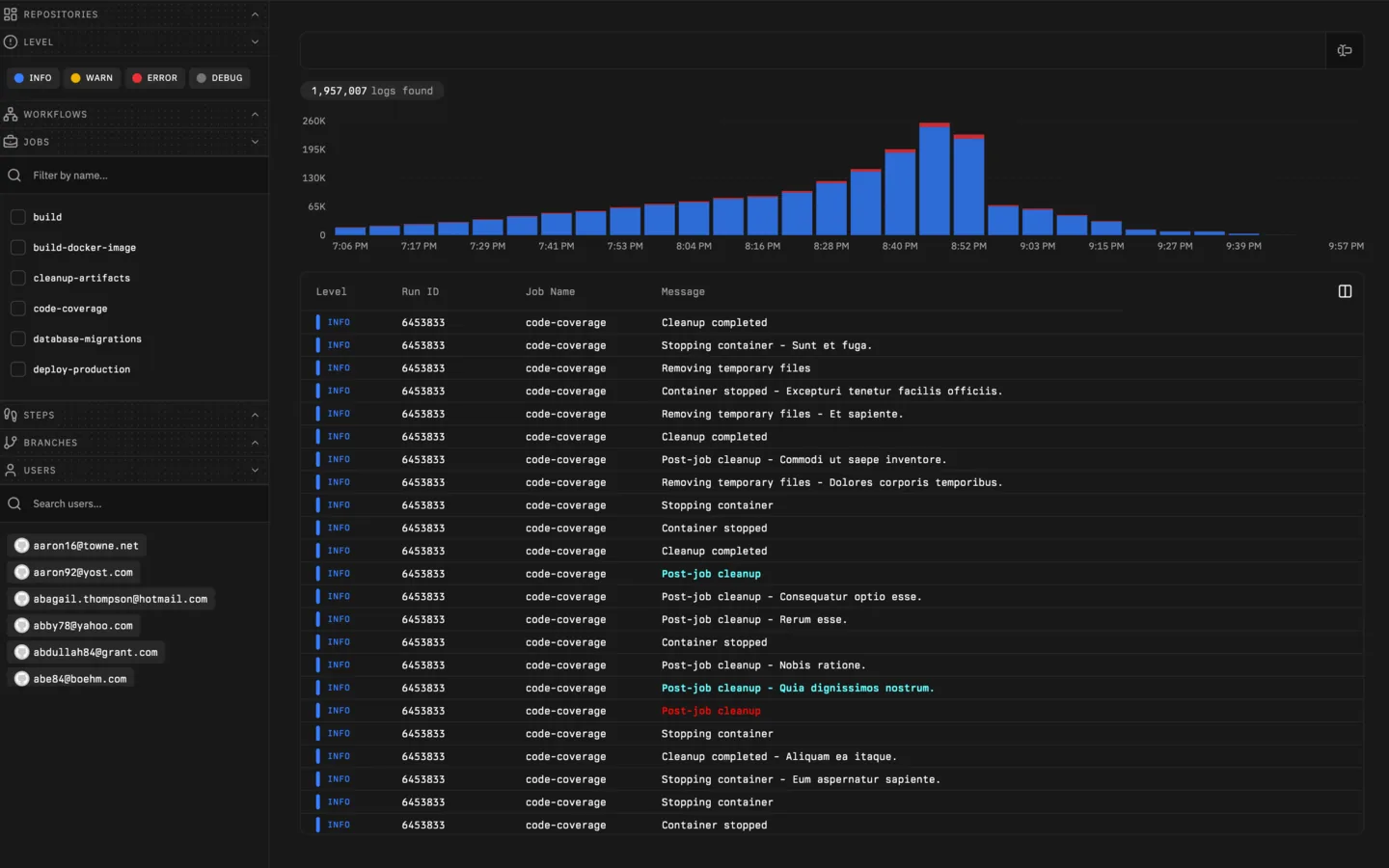 Blacksmith / CI debugging
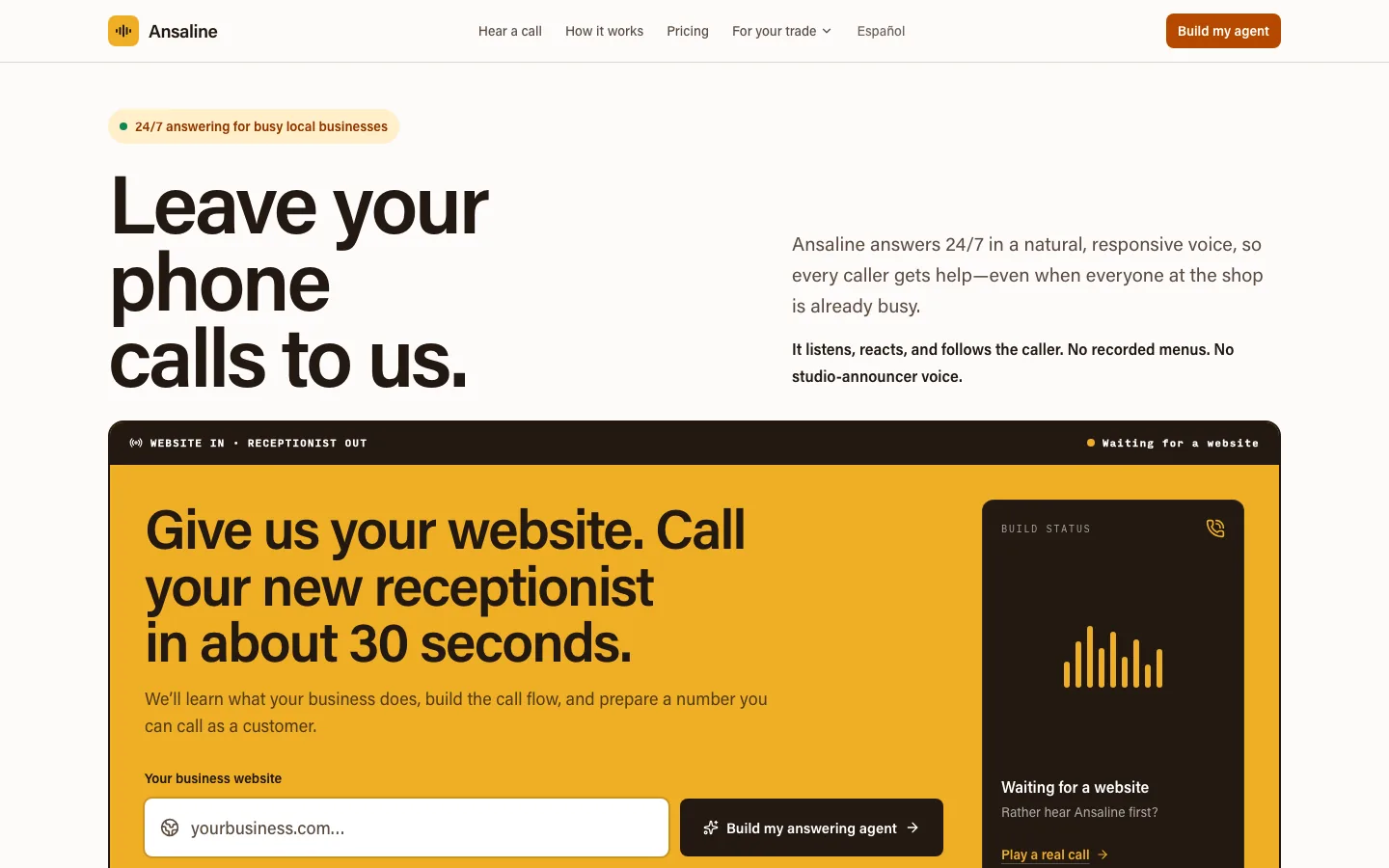 Ansaline / Founder-built product
A focused sprint from ambiguity to a working proof and a responsible production boundary. You leave with clarity, not another deck.
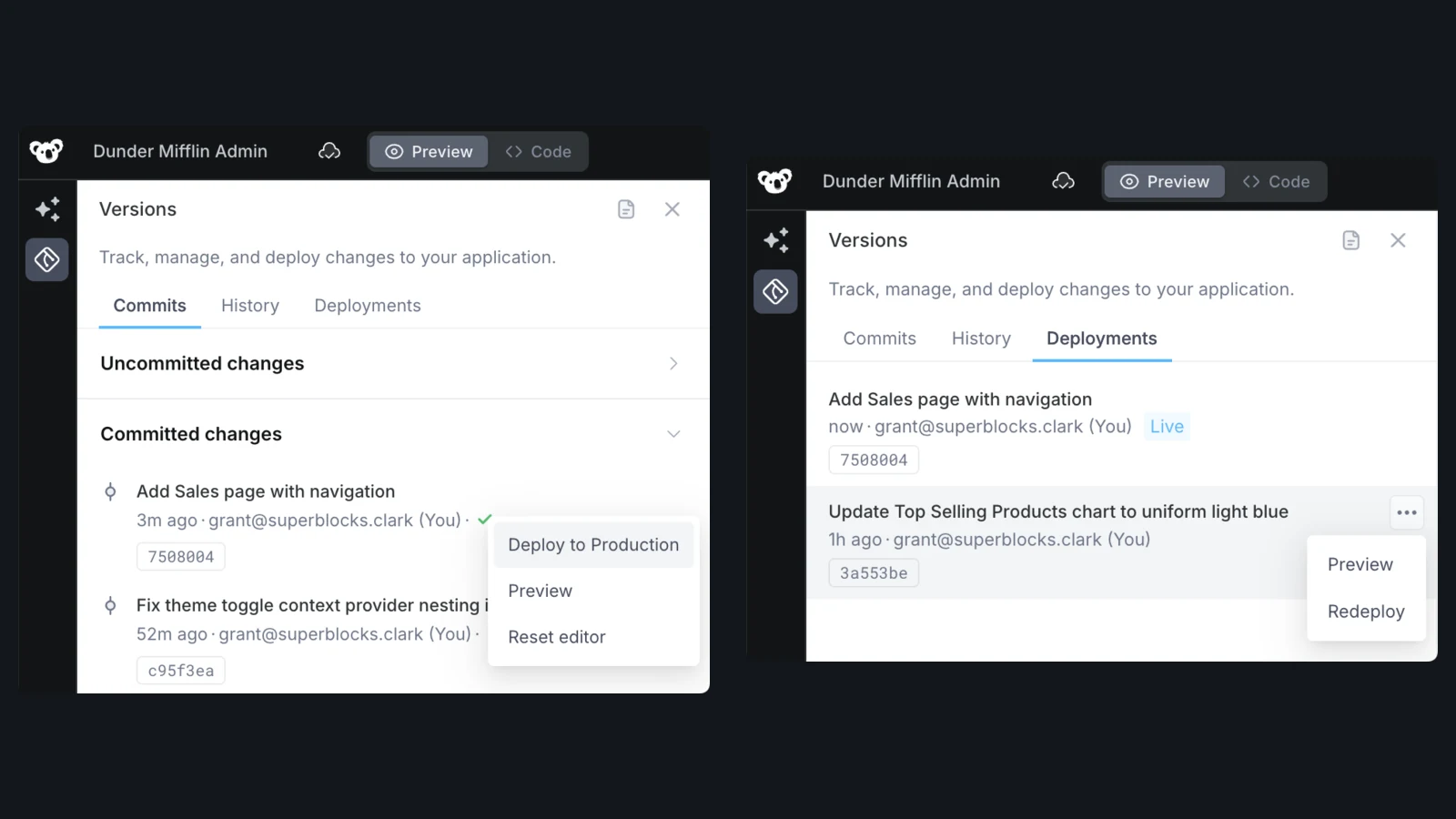
See how the sprint worksProduct and engineering decisions that shipped in real systems. Superblocks and Blacksmith reflect Lev’s independent contract work; their marks identify that work history, not endorsement.
 Product proof
 Product proof
 Product proof
The sprint isolates one valuable interaction and tests the parts most likely to make or break it: user behavior, model behavior, latency, cost, failure handling, and the integration boundary.
Repo-free first engagementMap the user, the moment, the source data, the success criteria, and what the feature must do when the model is uncertain.
Implement the interaction, compare viable model approaches, and test representative success and failure cases.
Review the proof, tradeoffs, risks, and a fixed production scope your team—or Levships Studio—can carry forward.
A follow-on build is scoped separately around a clean feature or service boundary. It can include production UX, evaluations, failure handling, observability, security review, deployment, and a documented handoff.
A bounded implementation with the same senior owner from product decision through release.
Ongoing design, technical direction, and high-leverage delivery for teams that do not need another full-time layer.
I’m Lev Arakelyan, a full-stack engineer and product designer with more than fifteen years of experience building software. I use AI where it creates leverage, but I keep product judgment, architecture, implementation quality, and accountability human.
That means fewer translation layers: no account manager rewriting your brief, no junior handoff, and no gap between the person shaping the interaction and the person shipping it.
See the agency partner modelNot for the feasibility sprint. We use public, synthetic, or supplied sample data to prove the product behavior and define a clean integration boundary. Repository access comes later only if a production build needs it.
A focused thin slice of the feature, not a staged video or a strategy deck. You also leave with the decisions, risks, evaluation approach, and build scope needed to move forward responsibly.
Yes. Production work is a separately scoped follow-on with explicit boundaries, testing, observability, security review, deployment, and handoff. The sprint is useful even if another team builds it.
No. AI accelerates implementation. Lev personally owns product judgment, interaction design, architecture, code quality, evaluation, and the handoff.
We’ll decide whether a five-day feasibility sprint is the right next move. If it is not, I’ll say so.